Logistics With Teeth
When Cargo Has Claws: Behind the Scenes of Global Crocodile Transport
25 Hours. Zero Margin for Error.
When endangered wildlife needs to move across the world, it’s more than logistics — it’s stewardship.
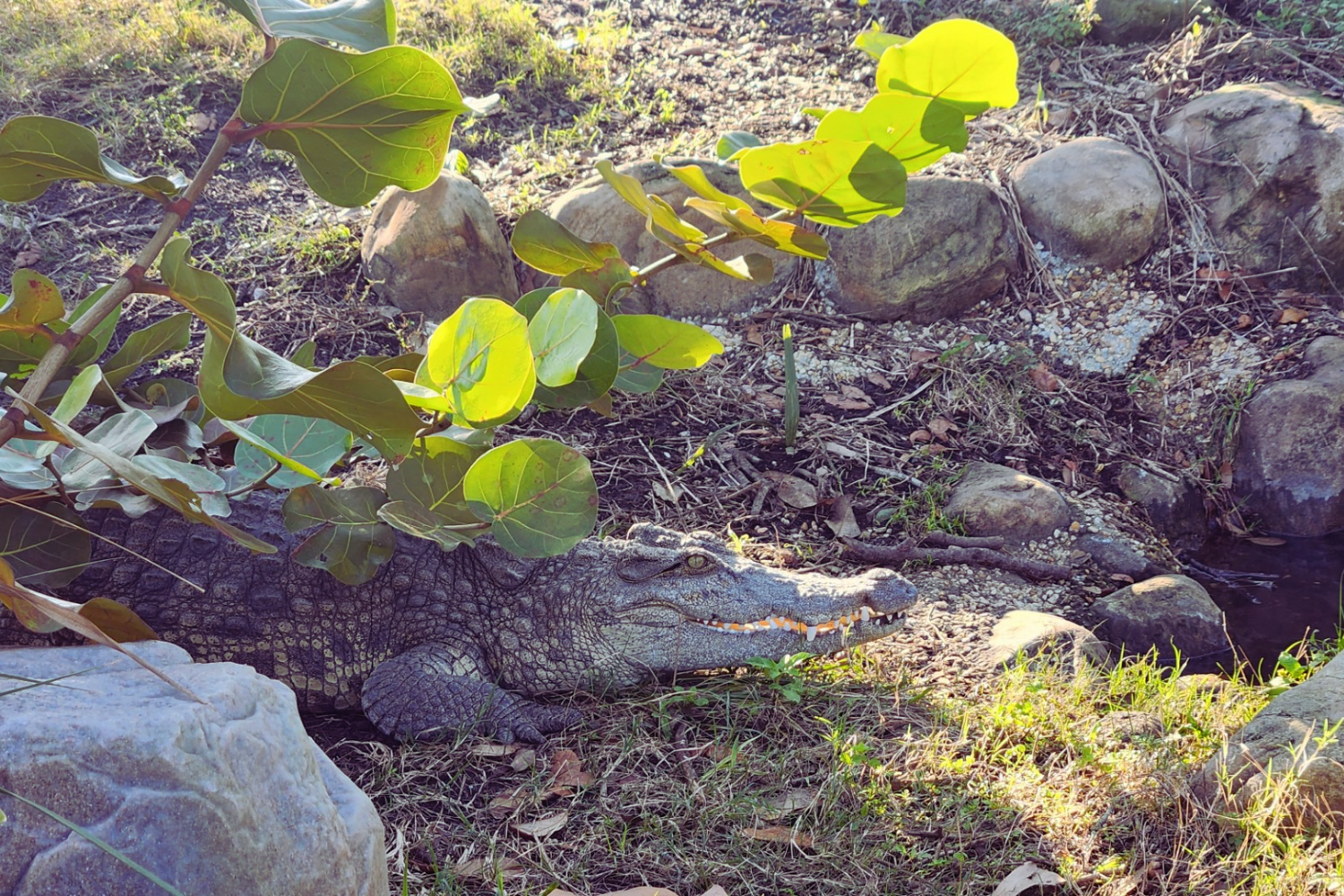
Recently, five Siamese crocodiles made a remarkable journey from the Saint Augustine Alligator Farm in Florida to the Singapore Zoological Gardens. This 400 kg shipment supported a global conservation initiative between accredited zoos working to protect and restore a critically endangered species.
Race to Protect the Rare
The crocodiles traveled from Miami to Singapore with a short transit in Doha. Throughout the 25-hour trip, the animals remained calm and protected thanks to careful planning and continuous oversight.
"Shipping live animals is a very niche and specialized part of logistics, but when everything goes smoothly, it's incredibly rewarding," said Ivana Stojadinov from the Airgroup DFW Live Animal Team. Ivana has spent more than a decade coordinating successful relocations for species of every size, ensuring stability and safety from departure to arrival.
Custom Care, Crate by Crate
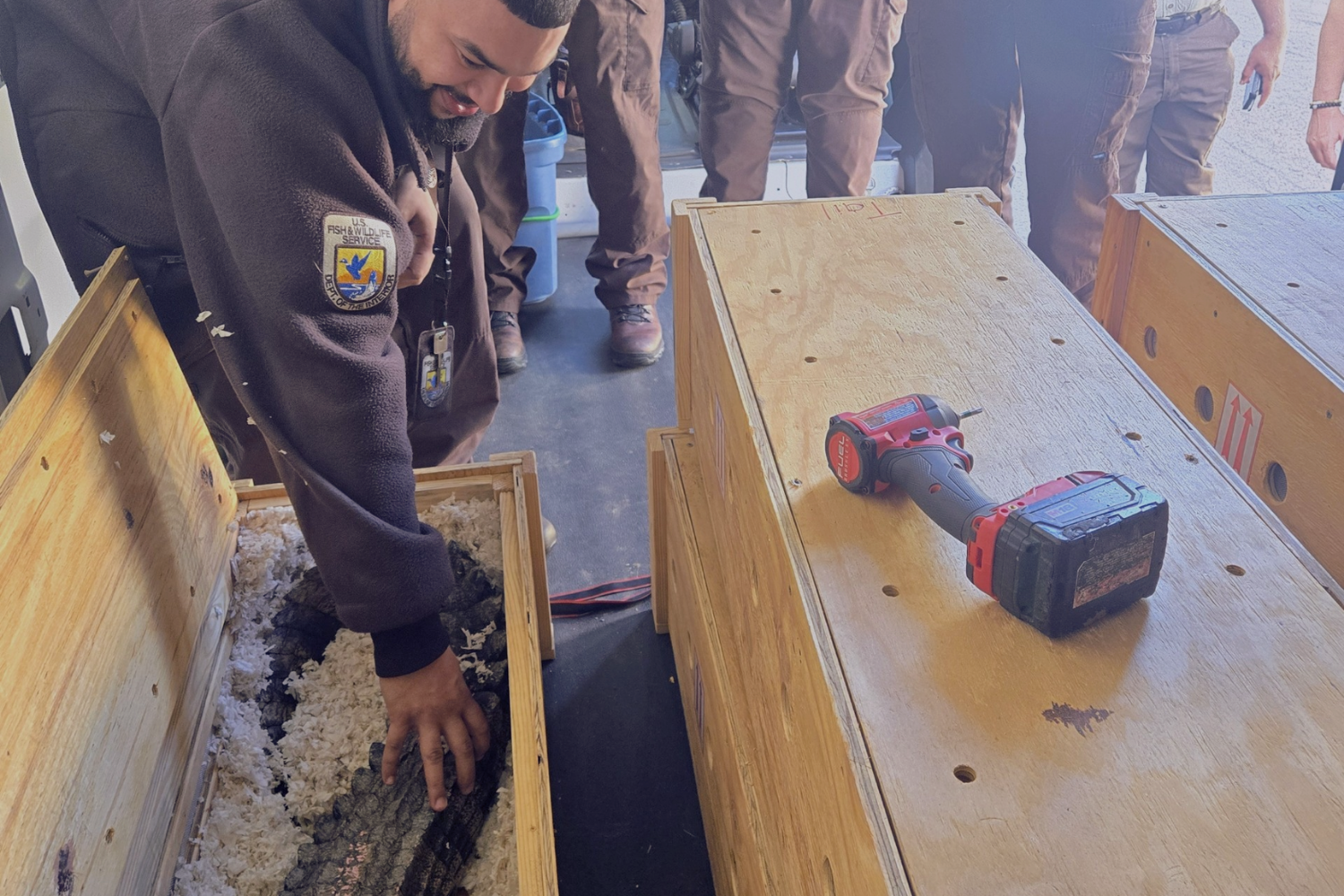
Transporting crocodiles requires detailed preparation. Because each crocodile is territorial, they traveled separately in custom wooden crates built to IATA live animal regulations. These crates were designed with strict specifications for size, ventilation, stability, and safety. Wood shavings lined the bottom to prevent injury, while temperatures were kept between 23–25°C to maintain comfort throughout the flight.
"The crates are designed down to the smallest detail. There's no room for error," Ivana shared.
Flying Crocs with Flawless Coordination
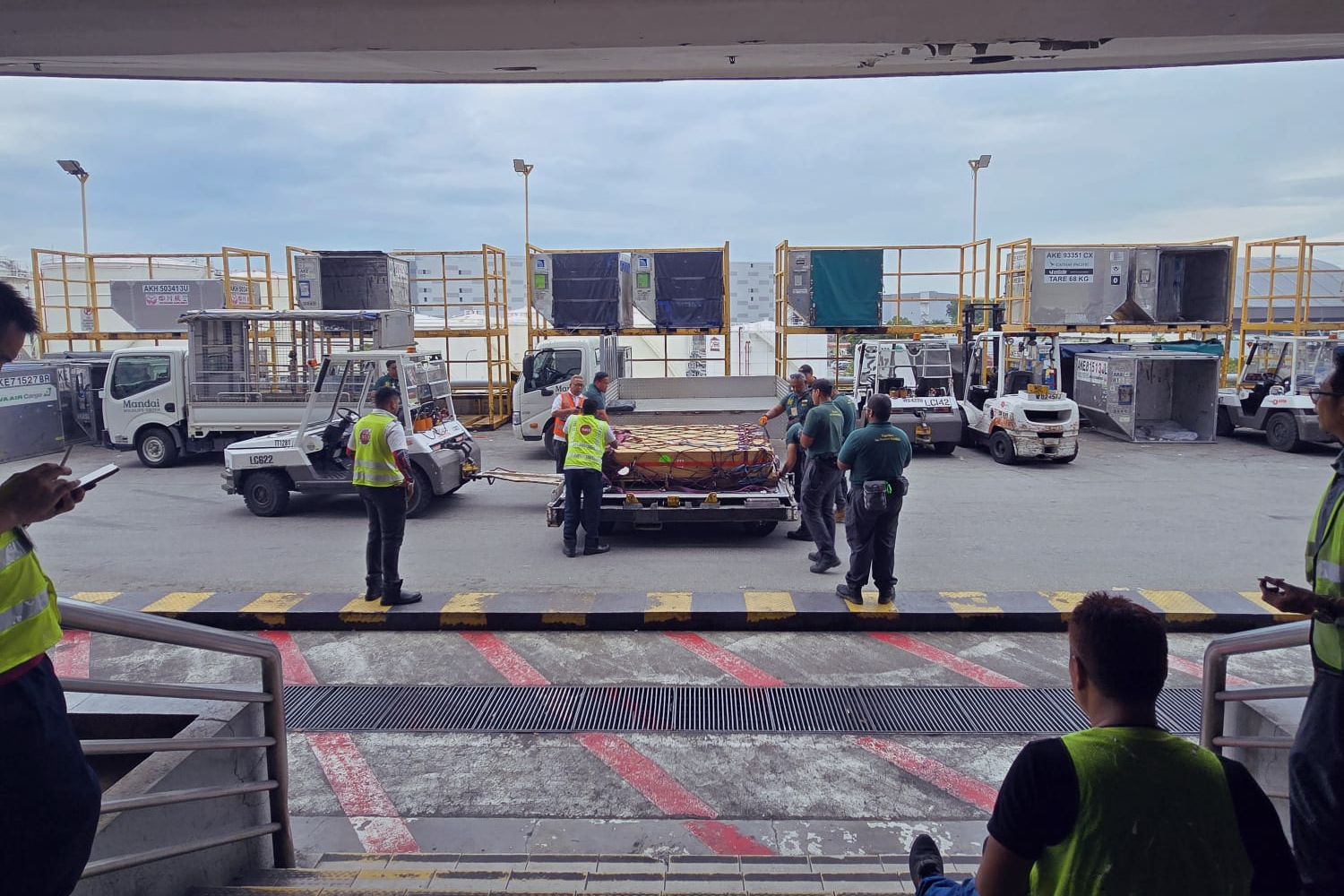
The greatest challenge was ensuring the animals moved quickly and efficiently between continents. Selecting Qatar Airways provided strong global connectivity and the specialized handling required for live-animal cargo. Coordination with dedicated teams in Miami and Doha ensured smooth transitions at each touchpoint.
Supporting this move required close collaboration with the USDA and the US Fish and Wildlife Service for export documentation, inspections, and regulatory compliance. Careful planning kept every step aligned with international welfare standards.
"Regulations are strict, and careful planning keeps everything on track," Ivana noted.
From Crate to Conservation
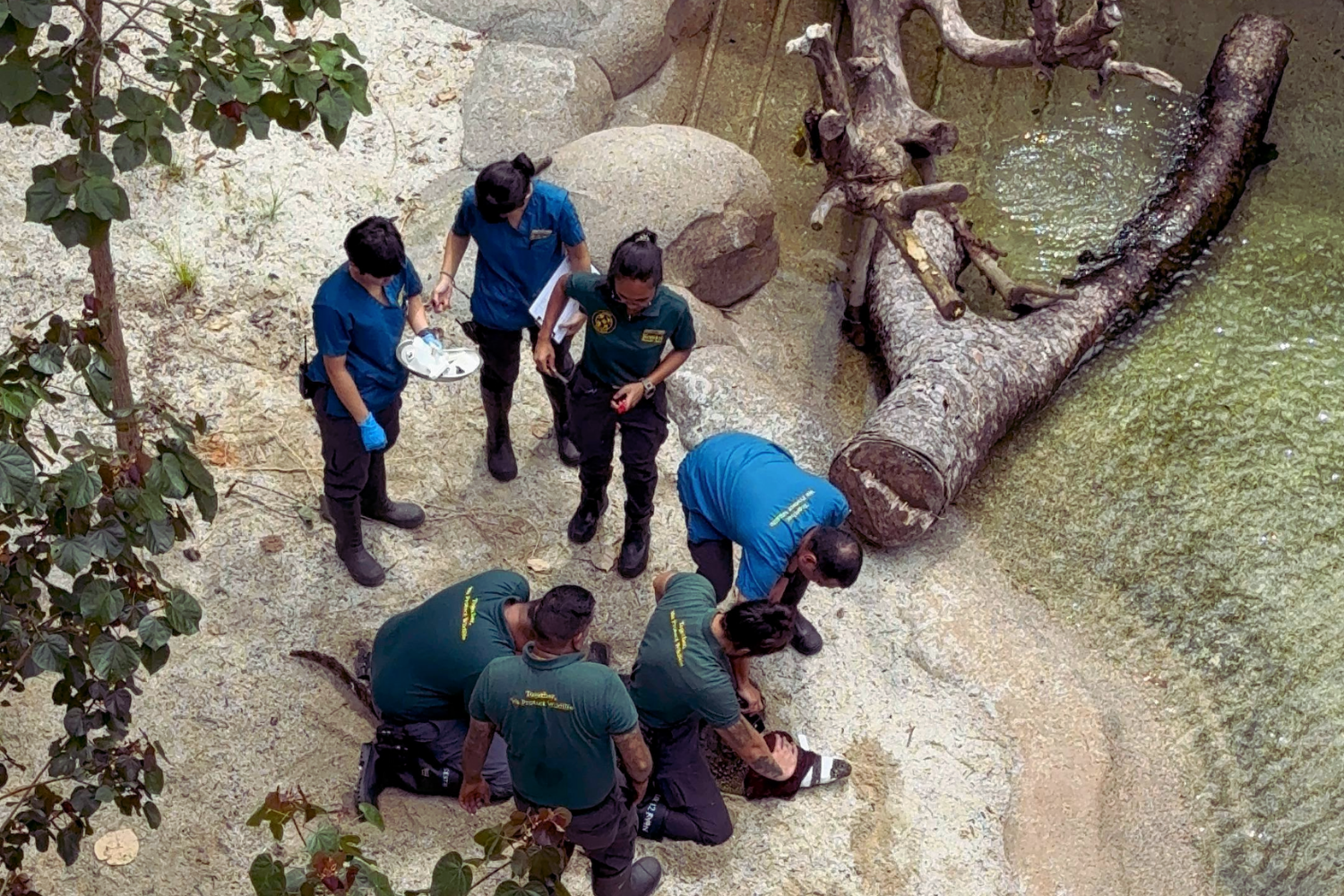
This shipment underscores the critical role logistics plays in global conservation. By moving endangered animals between trusted facilities, teams like Radiant's Airgroup DFW support breeding programs, education, species preservation, and the future of ecosystems worldwide.
"Every species has unique requirements, and we adapt each step to ensure their well-being. A successful shipment is a win for the species," Ivana said.
The journey reflects the power of teamwork, expertise, and shared commitment. Each move carries more than cargo. It carries the hope of a thriving ecosystem for generations to come.
This is what logistics looks like when experience, care, and accountability lead the way.